Skip to content




























 Live
Live
All Ingredients Delivered — Free US Shipping
Buttermilk Cinnamon Rolls
Duration: 90 min $149 per person
5 – 30 guestsas low as $129 for 50+
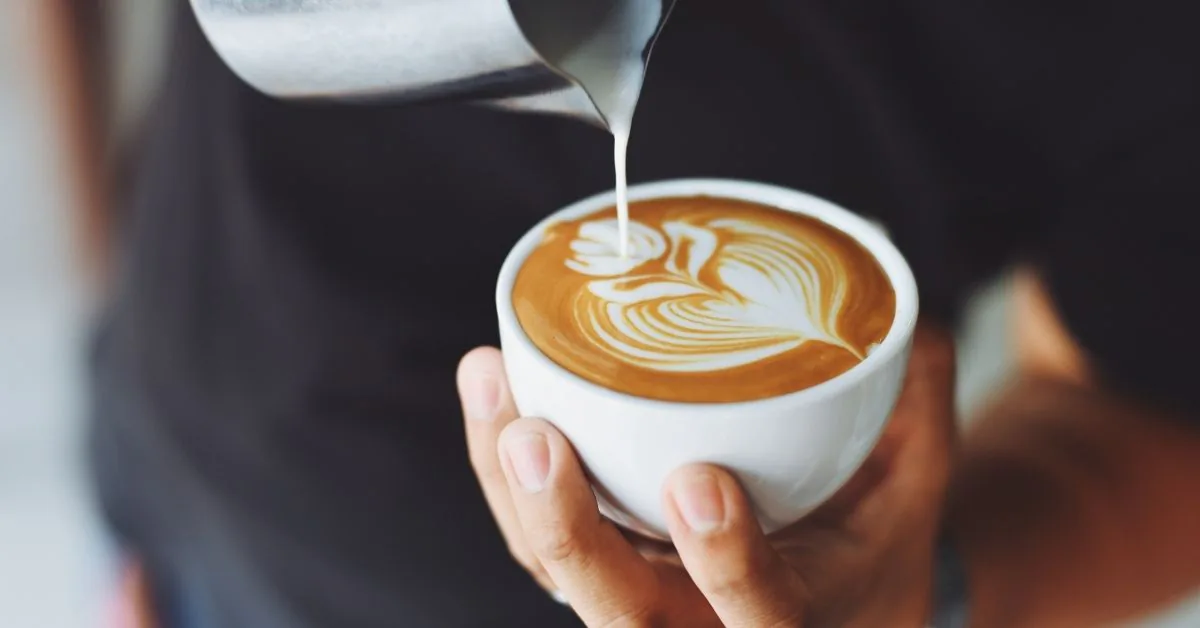
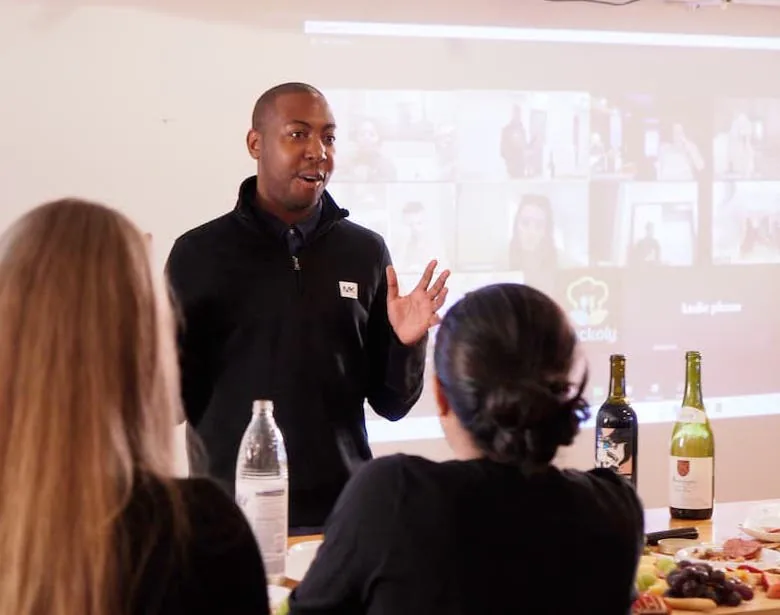
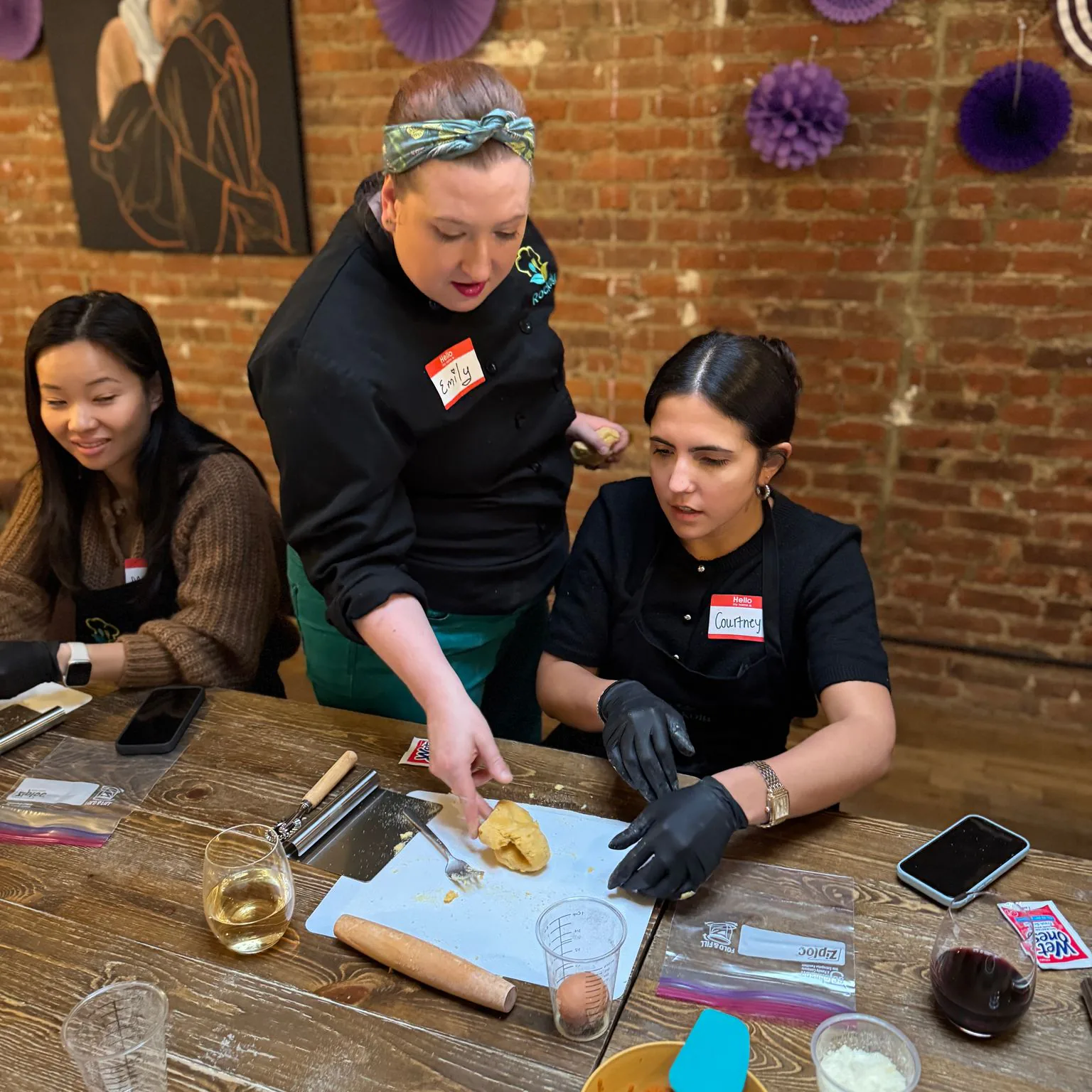
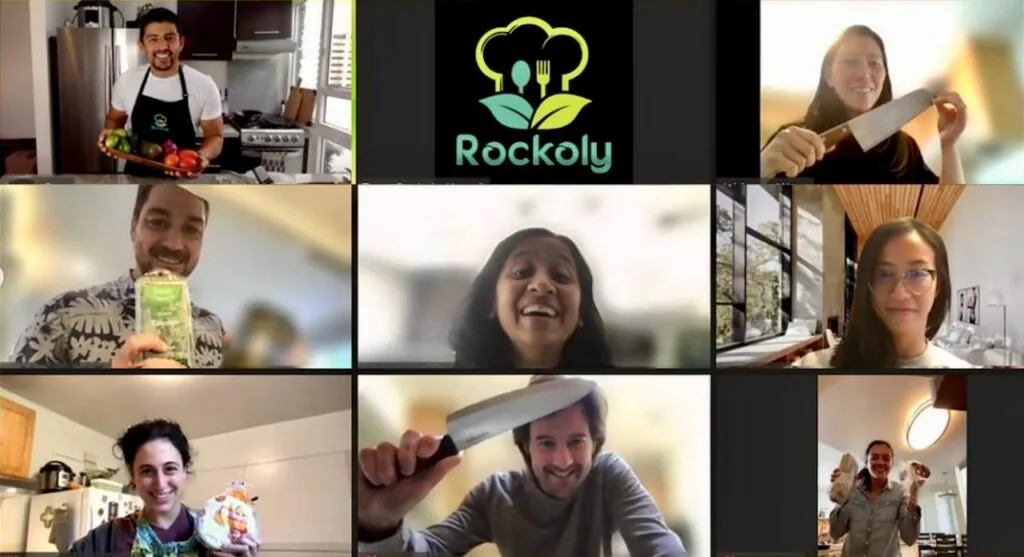
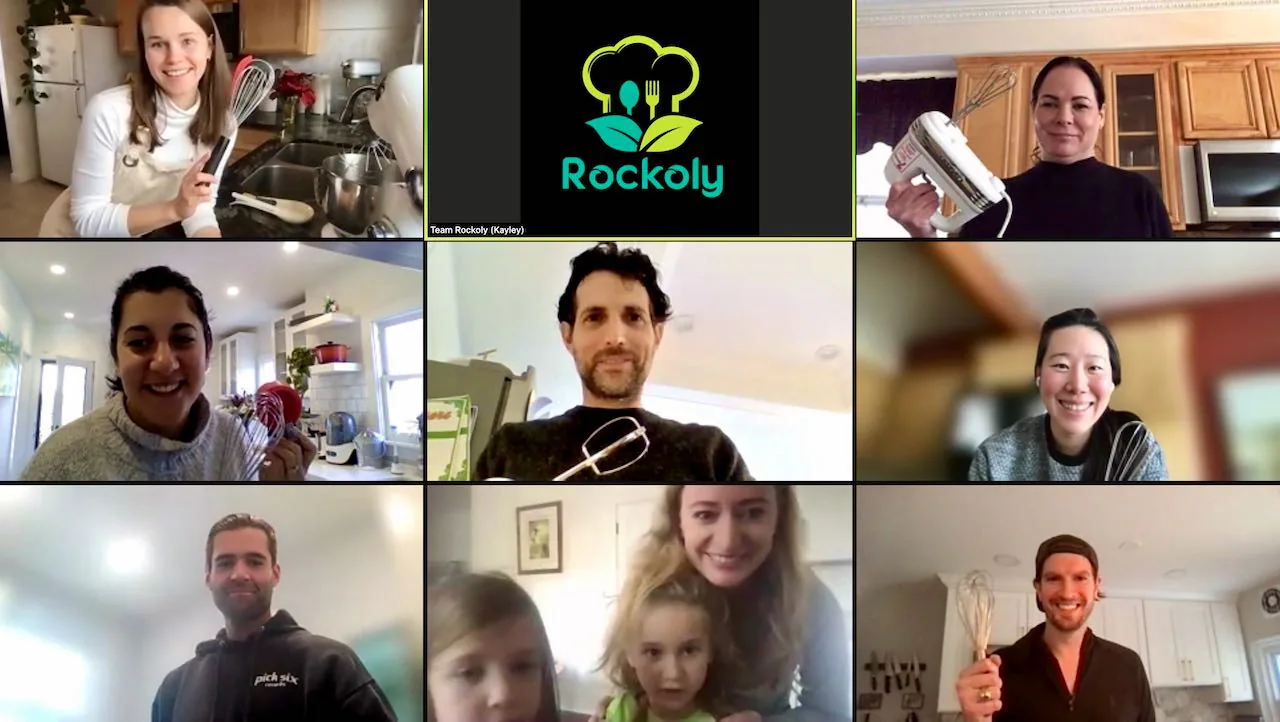
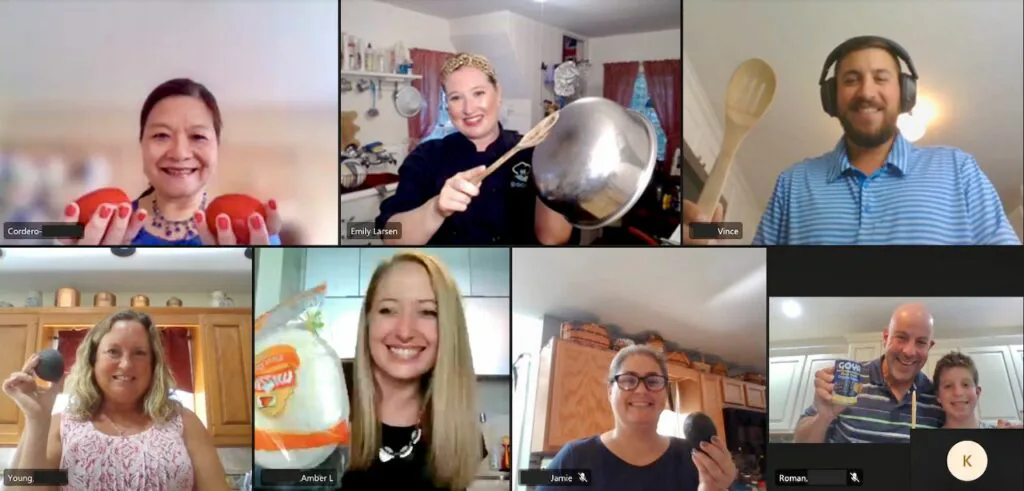
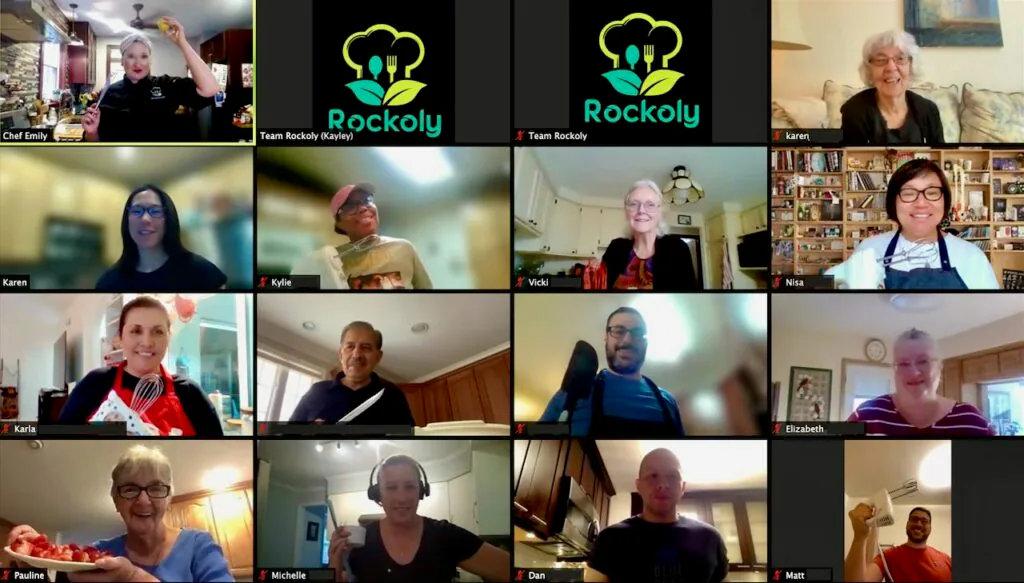
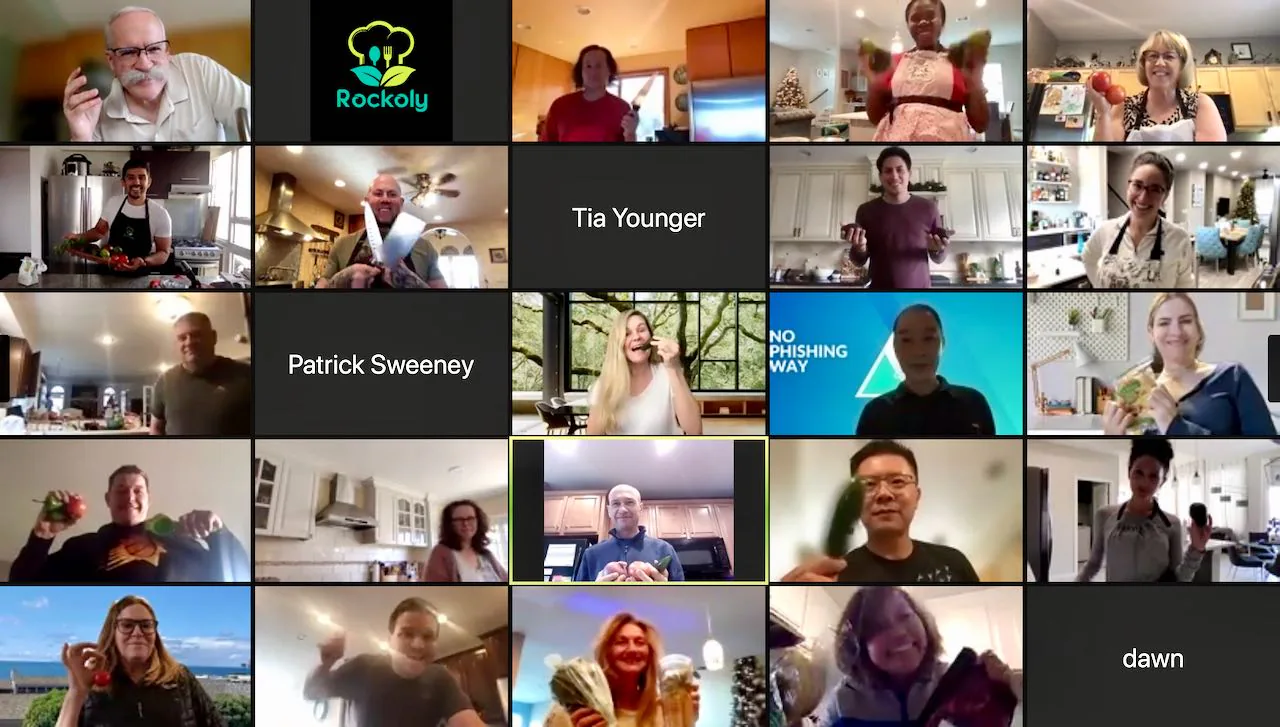
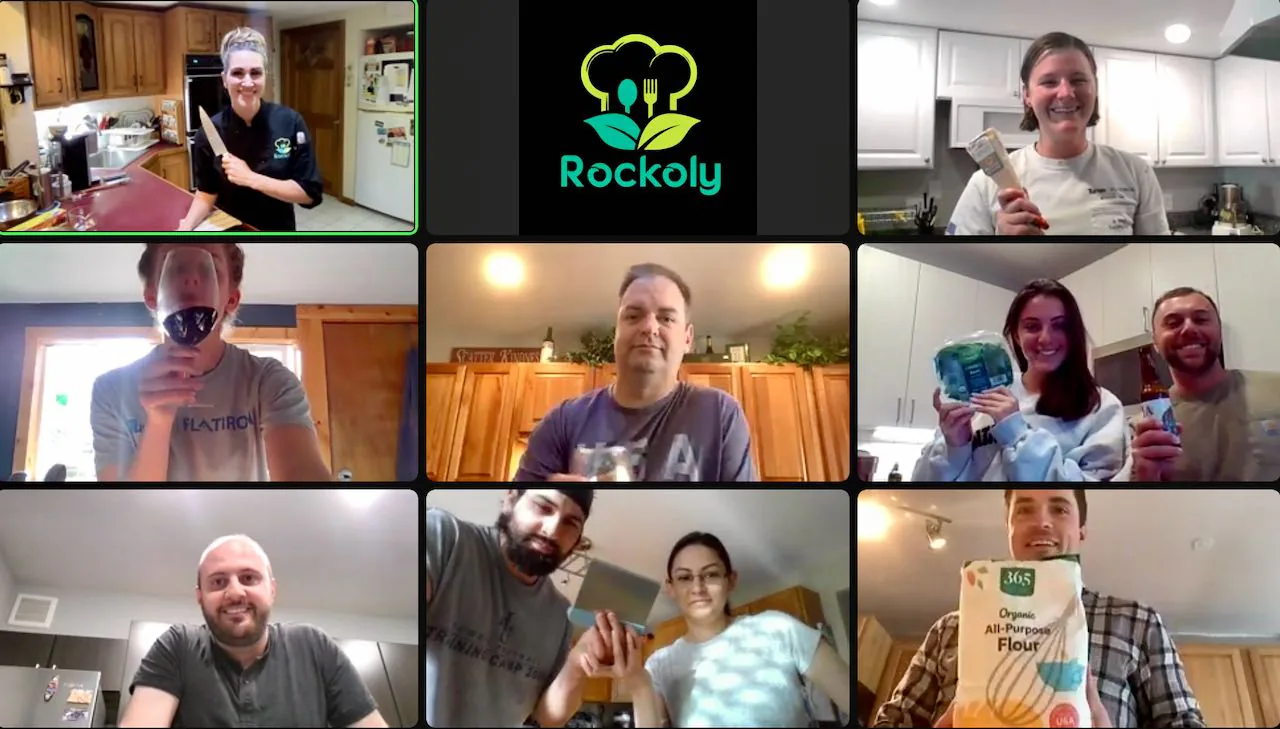
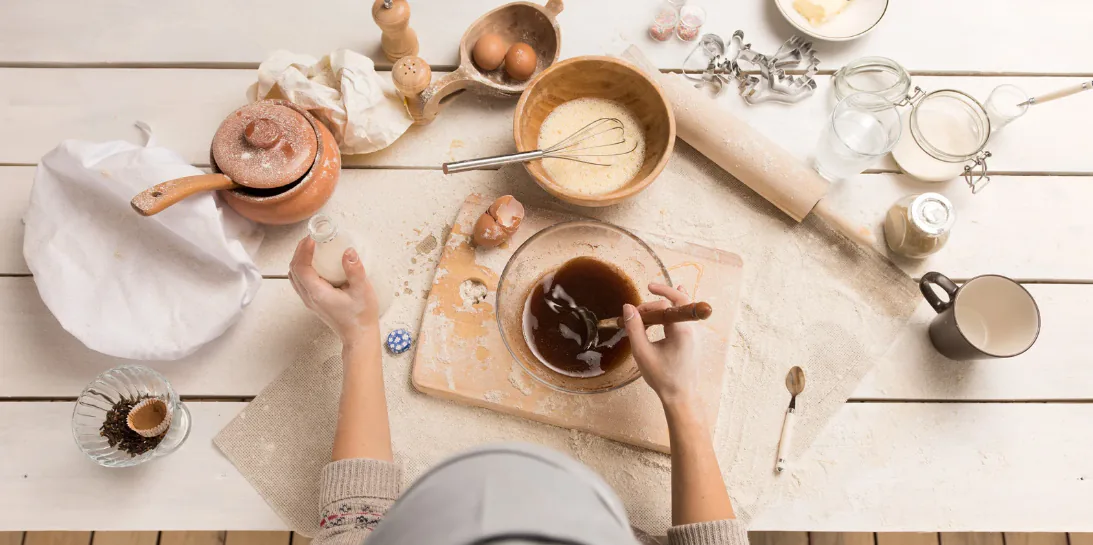
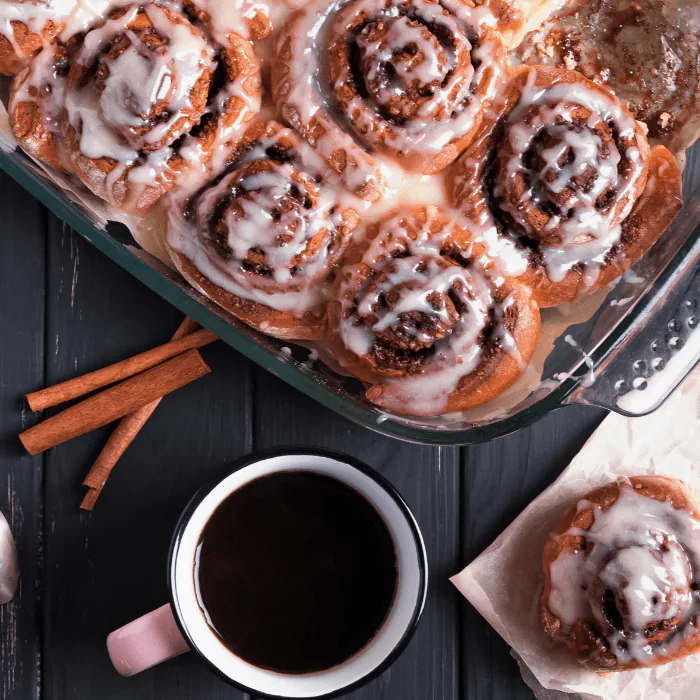
Bake classic cinnamon buns and top them with a buttermilk glaze while your chef guides each step live. As they bake, the smell fills every kitchen on the call at once, and everyone shows off their batch on camera before the first bite. Pair it with a coffee tasting on origins and roasting.
Under 5 guests: $745 flat (5-seat minimum).
Every rate includes
Includes ingredients, U.S. shipping, chef, event planner, host and gratuity