 Skip to content
St Patrick’s Day is 17 March — a Wednesday in 2027 — and it is one of the rare fixed dates on this calendar, which means it falls on a working day five years in seven.
Two things are worth knowing before you plan anything around it. The food most people associate with the day is Irish-American rather than Irish, which is a genuinely interesting story rather than a scolding. And the office version defaults to drinking, which is a problem worth solving deliberately rather than by accident.
The corned beef is Irish-American
Corned beef and cabbage is not what this day looks like in Ireland. It is what it looked like in New York.
Beef was a luxury in nineteenth-century Ireland. Cattle were raised largely for export, and most people could not afford the meat. The celebration dinner was bacon and cabbage — a boiled joint of cured pork with cabbage cooked in the same water, served with potatoes.
When Irish immigrants arrived in America, they could not find the bacon joint they knew. What they could find, in the delis of the Lower East Side where Irish and Jewish communities lived side by side, was corned beef — cured brisket with a similar texture and a price they could now afford on American wages. Cabbage was simply the cheapest vegetable available. The pairing stuck, crossed back over the Atlantic as an American tradition, and is now what half the world believes Ireland eats in March.
So it is not fake, and it is not a mistake. It is a real immigrant dish with a real history — just a different history from the one on the menu card. If you want the version from Ireland, boil a bacon joint.
What people in Ireland actually eat
Ten things, with the detail that makes each one work.
- Bacon and cabbage. A cured pork loin or collar, simmered gently, with cabbage cooked in the cooking liquor at the end and parsley sauce over it. The cooking water is the whole flavor of the dish — cook the cabbage in plain water and you have thrown it away.
- Irish stew. Traditionally mutton or lamb, potatoes and onions, and not much else. No beef, no Guinness, no browning — it is a white stew, simmered slowly, and its plainness is the point. The beef-and-stout version is a good pub dish and a modern one.
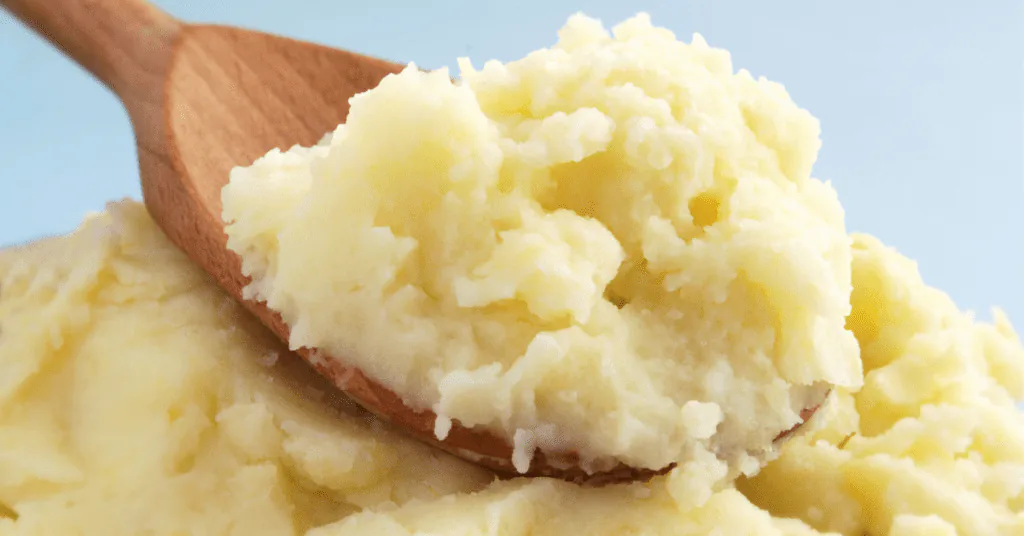
- Colcannon. Mashed potato with kale or cabbage, butter and spring onion. Cook the greens separately and fold them in at the end so they stay green rather than gray.
- Champ. Mash with spring onions steeped in warmed milk, and a well of melted butter in the middle of the bowl. Simpler than colcannon and, to a lot of people, better.
- Boxty. A potato pancake made from raw grated potato and mashed potato together, bound with flour. The raw half is what gives it the texture nothing else has. Squeeze the grated potato dry or it will not brown.
- Soda bread. No yeast, no proving, on the table within an hour. The rules are below, because this is the one everybody makes and most people ruin.
- Brown bread. The wholemeal soda loaf, denser and nuttier, and the thing actually eaten daily rather than ceremonially. This is what goes under smoked salmon.
- Coddle. A Dublin dish of sausages, rashers, potatoes and onions simmered together. It is pale and looks unpromising and is very good, which is roughly the Irish culinary thesis.
- Seafood chowder. Modern rather than ancient, and the best thing on most menus on the west coast. Smoked haddock is what lifts it above a fish soup.
- Barmbrack. A fruited tea loaf — with a ring baked inside, and whoever gets it is said to marry within the year. Worth knowing that this is a Halloween tradition, not a March one, so it is the one item here to leave off a St Patrick’s table if you are being accurate.
The soda bread rule
Soda bread has no yeast. It rises from bicarbonate of soda reacting with the acid in buttermilk, and that reaction starts the moment the two meet and is finished within minutes. Everything about the method follows from that.
- Have the oven hot before you mix. 425°F / 220°C. Dough that sits on the counter is dough that has already used up its lift.
- Mix with a knife or one hand, for as short a time as possible. You are combining, not kneading. Ten to fifteen seconds of gentle bringing-together is right; a proper knead makes it tough and flat.
- The dough should be wetter than you are comfortable with — soft and slightly sticky, not smooth.
- Cut a deep cross across the top, most of the way through. It lets the heat into the middle of a dense loaf. The folklore about letting the fairies out is nicer but the physics is the reason.
- Buttermilk, not milk. No acid, no rise. Milk soured with a spoonful of lemon juice works at a push.
- Tap the bottom — hollow means done, usually 35–45 minutes.
The traditional loaf is flour, buttermilk, bicarbonate of soda and salt. Nothing else. The version with raisins, sugar and an egg is real and good, but it is spotted dog, and it is closer to the Irish-American end of the family than the plain loaf is.
The office problem
St Patrick’s Day is the workplace occasion most likely to default to alcohol, and that default excludes more people than most planners expect: colleagues in recovery, colleagues who do not drink for religious reasons, anyone pregnant or trying to be, anyone on medication that rules it out, and the significant number of people who simply do not drink and are tired of explaining it.
There is a second problem stacked on the first. “Irish” as a shorthand for “drunk” is an ethnic stereotype, and it is one most companies would catch instantly if it were aimed at any other nationality. Green beer, leprechaun costumes, “Kiss Me I’m Irish” and a drinking theme add up to a caricature of a real place with a real emigration history — much of it driven by the famine that made beef unaffordable in the first place.
None of that makes the day off limits. It makes the food the better organizing idea than the drink, which is convenient, because the food is genuinely interesting and the green beer is not.
What to do instead
- Make the food the point. Soda bread is the single best group activity here: an hour start to finish, no proving, no equipment, and everyone takes a loaf away.
- If there is drink, make it incidental. Something non-alcoholic available by default and without anyone asking, rather than a token option nobody wants to be seen taking.
- Skip the costumes. Green clothing is fine and voluntary; leprechaun hats are a nation as a punchline.
- Say something true about Ireland if you are going to mark it at all. The emigration history is more interesting than shamrocks, and it is the reason the diaspora celebrating the day is so much larger than the country.
- Watch the date. In 2027 it is a Wednesday. A midweek evening event is a bigger ask than it looks, and the day itself is the worst possible night to book a restaurant.
If you want a chef to run it
Rockoly does have a program for this one, which is not true of most of the dates on this blog — and its menu is, to its credit, real Irish food rather than the corned-beef cliché. The St Patrick’s Day cooking workshops run three: Irish Soda Bread with an orange compound butter (60 minutes), Colcannon Potatoes with herbs (60 minutes), and an Irish Cheddar Soufflé with a side salad (90 minutes). All three have gluten-free and vegan options, and the colcannon is vegetarian as it stands.
Soda bread and colcannon are two of the ten dishes above, which is a better hit rate than most themed menus manage.
For the wider calendar, the cultural and seasonal events page lists the dates that have programs behind them — and the rule that has come up on every one of these posts applies here too: pick the dates you can mark properly rather than marking all of them thinly.